

sustainable practices and healthy habitats.

sustainable practices and healthy habitats.
sustainable practices and healthy habitats.
How we impact
Research Excellence
We aims to enhance research excellence and innovation capacity in the field of evidence-based design and planning (EBDP) at the University of Cyprus (UCY).
Interdisciplinary Research
We promote interdisciplinary research and networking in the EBDP field by strengthening collaborations among partner institutions and other relevant research projects
Impact on Society
We aims to make a broader impact on the scientific community and society by developing sustainable urban governance ecosystems through stakeholder and public engagement in scientific knowledge development
Research
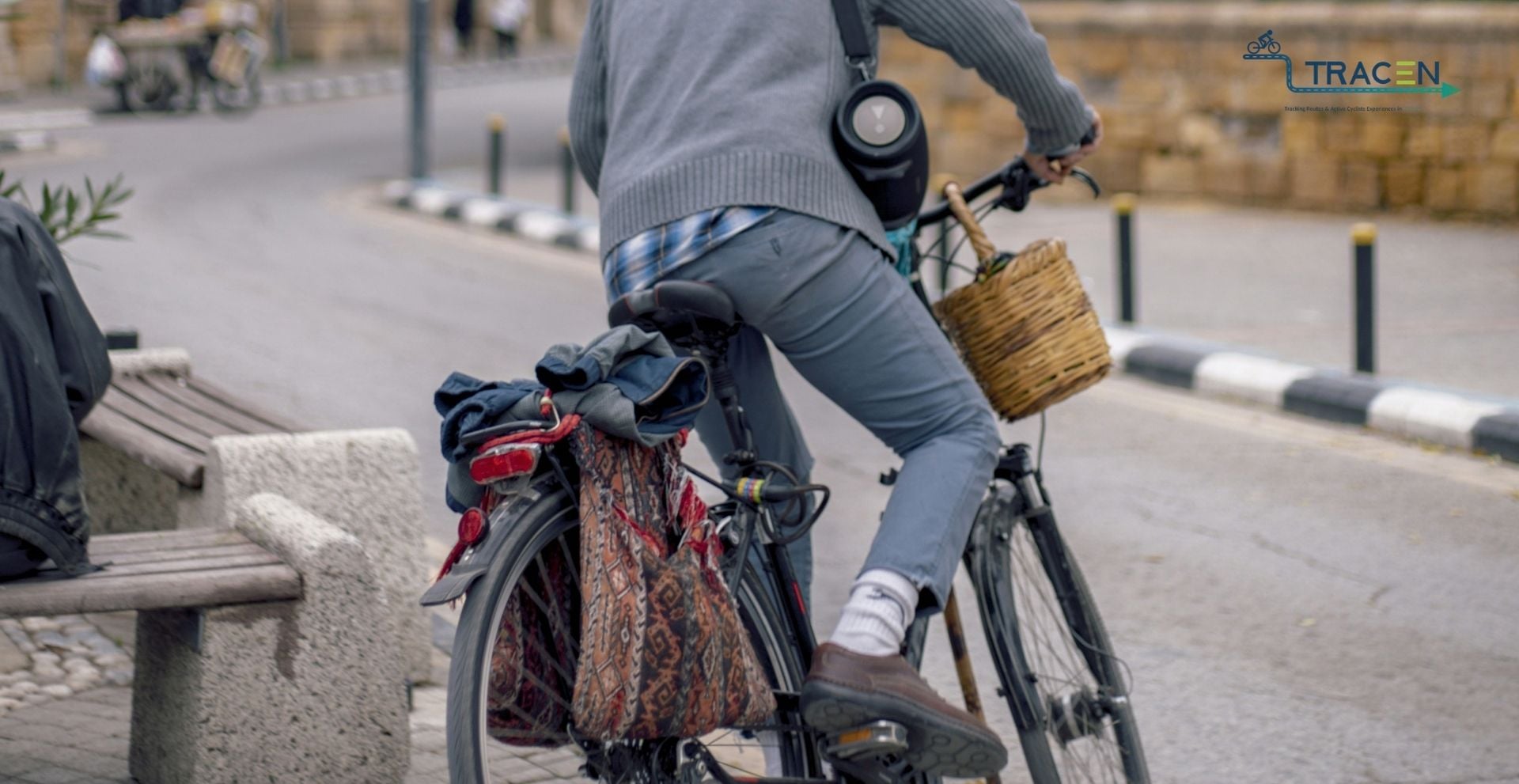
TRACEN is a citizen science initiative developed within the EU-funded TWIN2SUSTAIN Horizon Europe project, engaging cyclists in Nicosia to document their everyday journeys and generate real-world evidence about cycling conditions across the city. By recording routes and reporting infrastructure problems, hazards and other challenges encountered while cycling, participants contribute first-hand knowledge about how the city’s cycling network performs in practice. University of Cyprus.
The collected data will be analysed to identify mobility patterns, recurring infrastructure issues and potential opportunities for safer cycling routes. By bringing together spatial data, citizens’ lived experiences and stakeholder engagement, TRACEN aims to provide evidence that can be shared with local authorities and support evidence-informed planning and more cyclist-friendly urban environments in Nicosia.
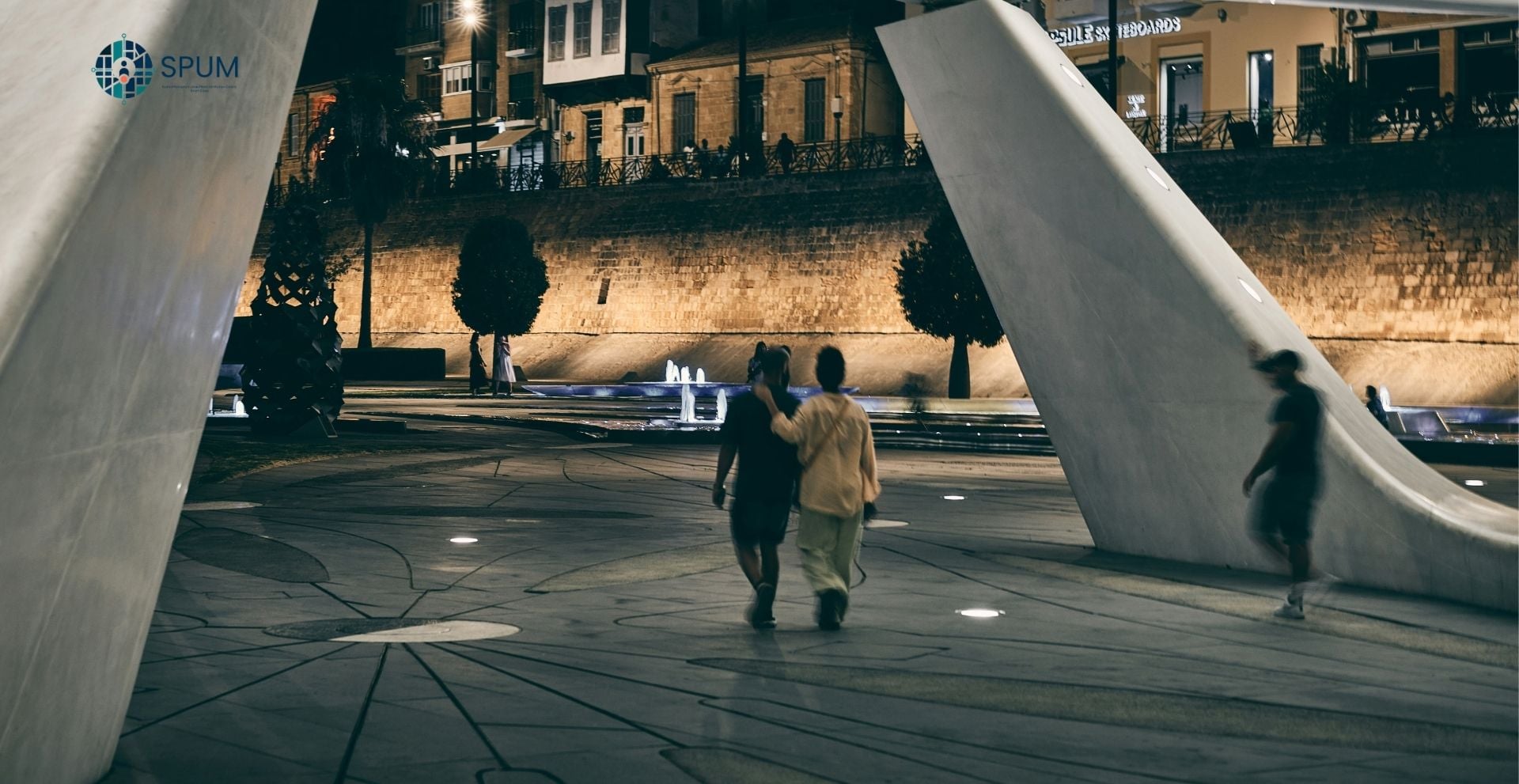
SPUM develops and validates a new Spatial Perception Urban Model that shifts urban modelling from a primarily physical understanding of cities towards a human-centred approach that captures how people perceive and experience urban environments. The project integrates environmental psychology, spatial cognition, urban morphology, GIS, visibility analysis and smart city technologies to better understand and predict perceived walkability.
Using Nicosia as a case study, SPUM translates perceptual qualities such as imageability, enclosure, human scale, transparency, complexity and legibility into GIS-based metrics. The project will develop an open-source geospatial tool, validate the model against real-world pedestrian behaviour, and support scenario modelling and evidence-based decision-making for more human-centred urban planning and design.
Mapping Refugee Housing Estates is developed within the Erasmus+ Blended Intensive Programme (2026) and engages students in collaborative documentation and mapping approaches across refugee housing estates in Cyprus. Focusing on neighbourhoods established after the 1974 war, the programme examines how displacement, everyday life, and long-term inhabitation have shaped these estates as spaces of memory, resilience, and social transformation.
It provides students with the knowledge and skills needed to explore complex urban environments through graphic ethnography, collaborative mapping, and situated spatial analysis. By combining expert-led methods with residents’ lived experience, the programme supports the development of context-sensitive, reflective, and inclusive approaches to understanding heritage, renewal, and the future of refugee neighbourhoods.
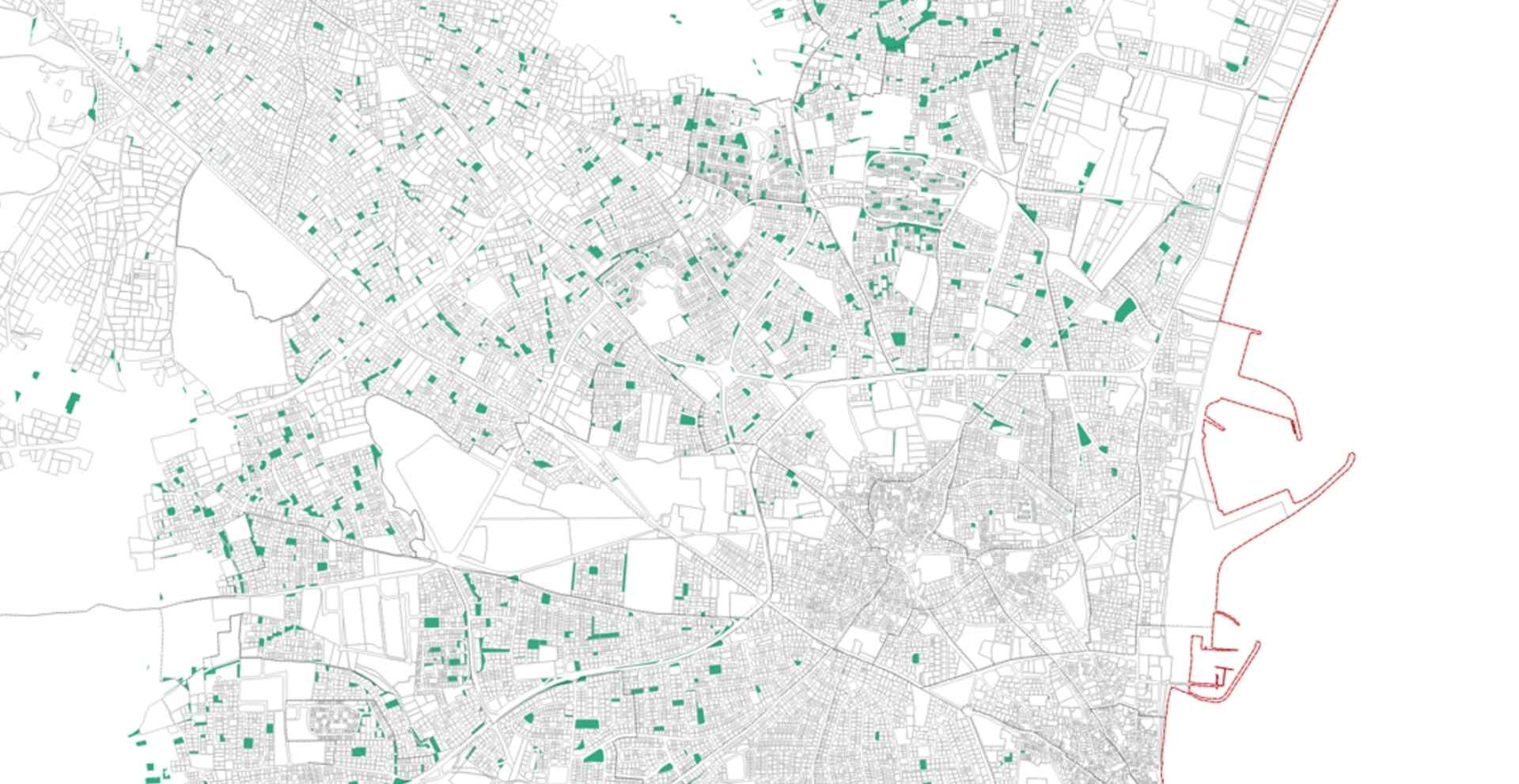
Commissioned by Larnaca Municipality, the GreenNet (Mapping and Integrating Green Spaces into the Urban Network) project addresses the fragmentation and limited integration of urban green spaces created through the planning permission process. Recognising their importance for environmental quality, social well-being, and climate resilience, the project examines how these spaces can better contribute to a connected and functional green infrastructure. It maps and assesses existing and planned green spaces in relation to connectivity, urban density, accessibility to public amenities, population reach, tree canopy, and spatial function.
By identifying opportunities to link fragmented spaces and optimise the location of future green developments, GreenNet supports more equitable, accessible, and resilient urban environments.
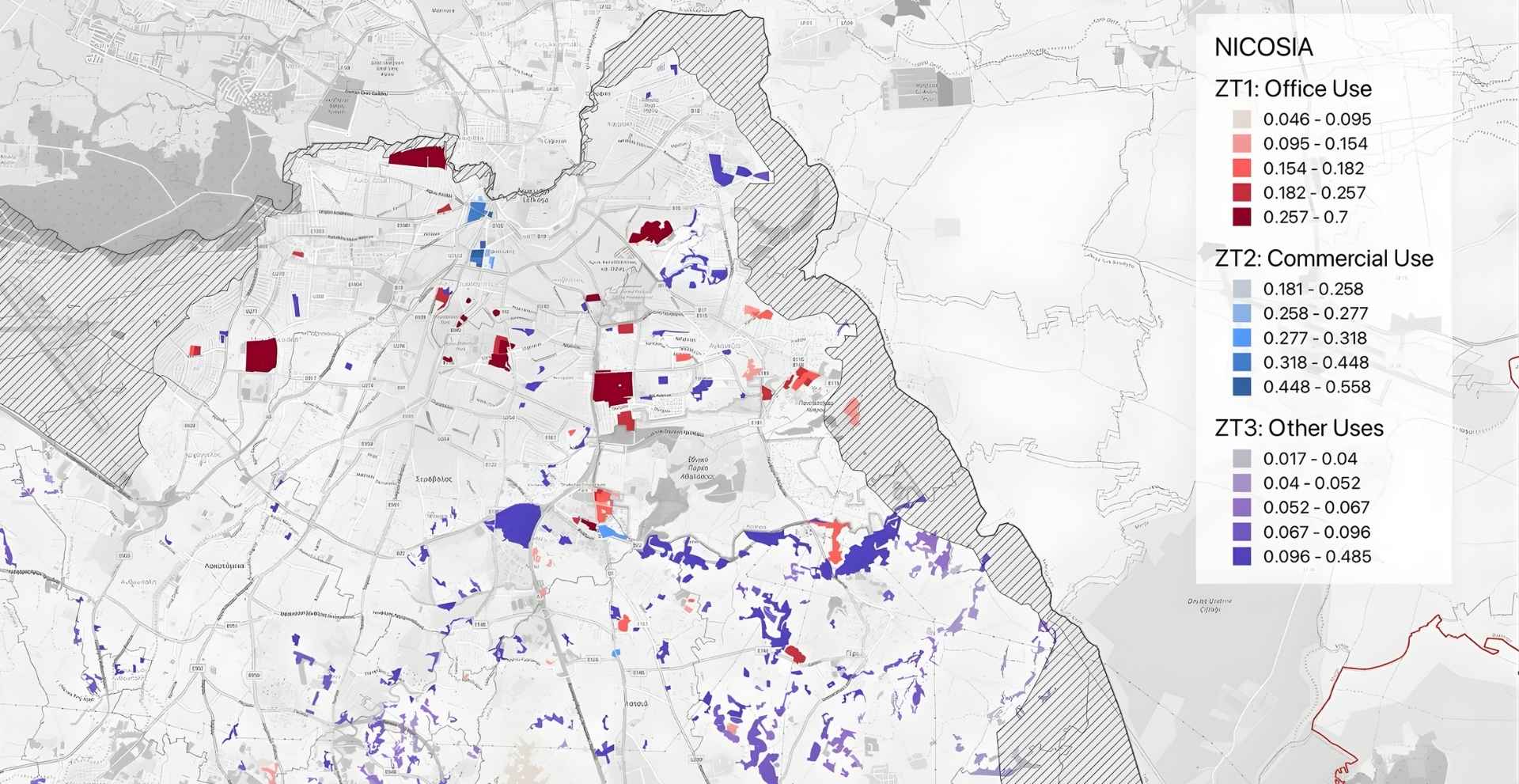
Commissioned by The Ministry of Transport Communications and Work, GOAL (Governmental Land Development Suitability Assessment), evaluated all government-owned land in Cyprus through a structured multicriteria analysis. By assessing parcels based on development potential, building affordance, accessibility, centrality, transport connectivity, and population reach, among others, GOAL highlights how evidence-based design can directly inform strategic decision-making.
A key output is a WebGIS platform that enables stakeholders to explore, filter, and prioritise parcels based on policy needs, supporting more transparent, coordinated, and future-oriented planning.
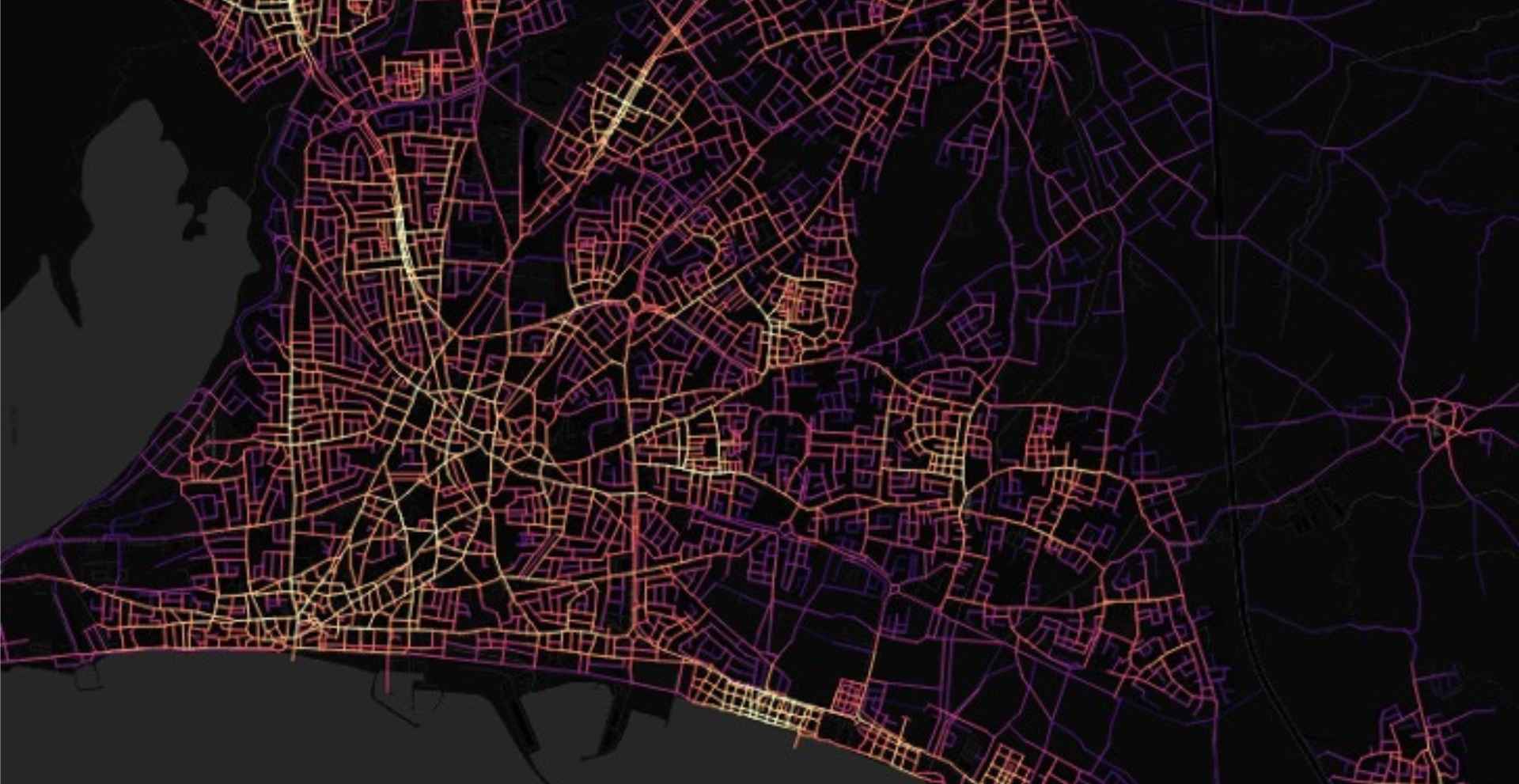
Commissioned by Larnaca Municipality, the FOR(U)M project supports the masterplan development of the former Dilistiria area in Larnaca by improving street network connectivity and refining land use categorisation. Its aim is to ensure seamless integration with the Land of Tomorrow masterplan and the wider local development framework, enhancing accessibility to key planned amenities such as the waterfront.
By strengthening interconnectivity between development sites and aligning the area’s spatial structure with strategic design objectives, the project contributes to a more coherent, accessible, and well-integrated urban development.
SURF team publications
Explore the team’s contribution to Books, Edited Volumes, Research Projects documents, Journal Articles, PhD/PostDoc theses.


Publications

EPUM
Four short briefing papers on different urban morphological approaches: Historico-Geographical, Process Typological, Space Syntax, Relational.
Briefing Paper 1: Historico-Geographical Approach to Urban Morphology
Briefing Paper 2: Typological-Processual Approach to Urban Morphology
Briefing Paper 3: Space Syntax Approach to Urban Morphology
Briefing Paper 4: Relational-Material Approach to Urban Morphology
SUGAR
Briefing Paper: Participatory Planning for Sustainable Urban Governance
KAEBUP
Research Summary: Literature Review of Blended-Learning Techniques
TWIN2EXPAND
Charalambous, N., Pasia, M. Geddes, I., Stavroulaki, G. and Berghauser Pont. M., (2025) TWIN2EXPAND D4.4. Policy Brief 01: Greener for whom? How Accessibility and Amenities Proximity Shape Inclusive Urban Green Space in Cyprus.
Charalambous, N., Pasia, M., Abdeldayem W., Geddes I., Stavroulaki, G. and Berghauser Pont. M. (2025) TWIN2EXPAND D4.4. Policy Brief 02: Sustainable Location Strategies for Citizens’ Services.
Charalambous, N., Pasia, M. (2025) TWIN2EXPAND. Advancing Sustainable Urban Development Through Evidence-Based Design and Planning.

ISUF2019
Cities as Assemblages. 130 papers in 3 volumes presented at the 26th ISUF International Conference. Topics include: the scope and limits of urban theories; emergence, relational theories, the social sciences and urban morphology; combining Conzenian, Typological and Space Syntax approaches; embedding different approaches into the study of urban morphology; urban morphology, building typology and design; urban conflict and divided cities; Mediterranean port cities in a global context.
Cities as Assemblages, Proceedings of the XXVI International Seminar on Urban Form 2019, 2-6 July 2019, Nicosia, Cyprus, Vol. 1, edited by Nadia Charalambous, Alessandro Camiz, and Ilaria Geddes.
Cities as Assemblages, Proceedings of the XXVI International Seminar on Urban Form 2019, 2-6 July 2019, Nicosia, Cyprus, Vol. 2, edited by Alessandro Camiz, Ilaria Geddes, and Nadia Charalambous.
Cities as Assemblages, Proceedings of the XXVI International Seminar on Urban Form 2019, 2-6 July 2019, Nicosia, Cyprus, Vol. 3, edited by Ilaria Geddes, Nadia Charalambous, and Alessandro Camiz.
CYNUM2018
Urban Morphology in South-Eastern Mediterranean Cities: Challenges and Opportunities. Twenty-eight papers presented at the 1st Cyprus Network of Urban Morphology regional conference. Topics include: urban morphology; urban form methodologies; urban evolution, conservation and heritage; urban sprawl and fringe belts; urban form and social phenomena; urban design and revitalisation; buildings design; urban conflicts.
Urban Morphology in South-Eastern Mediterranean Cities: Challenges and Opportunities, 16 -18 May 2018, Buffer Zone, Nicosia, Cyprus.
KAEBUP – 3rd CyNUM Conference
The joint KAEBUP – 3rd CyNUM Conference brought together academics and professionals to address urban challenges through Evidence-Based Design and Planning (EBDP). Structured around seven thematic areas, it explored methodologies, case studies, public participation, and the role of urban morphology. The event fostered collaboration between research and practice for sustainable urban solutions, integrating data, theory, and interdisciplinary approaches.
From Urban Research to Planning and Design Strengthening Cooperation Between Academia and Practice, August 2025.
PSUC 2018
The measure of axial intelligibility formulated by Hillier et al. (1987) contributed to a better understanding of the impact of urban layout on wayfinding and navigation. Its transferability to the street segment representation has proved challenging, highlighting to some extent the different development logics and complexities arising from urban environments depending on whether they are planned, incremental, or informal. Building on this work and more recent research, this talk explores further the nature of exploration in relatively simple and complex environments that arise from their development process. It revisits and discusses the notion of ‘intelligibilities’ to reflect the diversity of experiences when navigating various urban environments.
Space Syntax Symposium 14, edited by Nadia Charalambous, Chrystalla Psathiti, and Ilaria Geddes.
Geddes. Ilaria., 2017, “Limassol as a Social Assemblage: A Diachronic Analysis of its Urban Form“, Doctoral Dissertation, University of Cyprus.
Chapter 4: “Spatial Memory and Shifting Centrality“, Nadia Charalambous and Ilaria Geddes
Restricted Publications
- Geddes, I., (2024). “The role of urban form and architectural heritage in the ‘reurbanisation’ of the historical centre of Nicosia“, Chapter in Advanced Research and Design Tools for Architectural Heritage.
Nadia Charalambous, Ilaria Geddes, “Making spatial sense of historical social data”, The Journal of Space Syntax, , Vol. 6, Issue 1, 2015, 81 – 101.
Ilaria Geddes, Alessandro Camiz, Nezire Ozgece, Nevter Zafer Comert, Şebnem Hoşkara, and Gizem Caner, “PAST, PRESENT AND FUTURE OF URBAN MORPHOLOGY RESEARCH IN CYPRUS“, Viewpoint, 2023, 186 – 198.
Ilaria Geddes, “Understanding the Mechanisms and Impact of Growth on the Urban Form and Functioning of Cities: An Application to the Case of Limassol“, Athens Journal of Mediterranean Studies, Vol. 6, Issue 1, January 2020, 39-66.
Tihomir Viderman, Ilaria Geddes, Chrystala Psathiti, “Lived Urban Form. Using Urban Morphology to Explore Social Dimensions of Urban Space“, The Journal of Public Space, Vol. 3, No. 3, 2023, 79 – 92.
Ilaria Geddes, Christakis Chatzichristou, Nadia Charalambous, Ana Ricchiardi, “Agency within Neighborhoods: Multi-Scalar Relations between Urban Form and Social Actors“, Land 2024, 13, 269.
Karimi, K., Zhand, S., Simons, G., Abdeldayem, W. S., Charalambous, N., & Giraud, I. (2025). Framing Evidence-Based Design and Planning: An Analytical, Multi-Scalar and Iterative Framework for Urban Design and Planning. Urban Science, 9(11), 457. https://doi.org/10.3390/urbansci9110457
Restricted Publications
- Charalambous, N., Cömert, N. Z., Geddes, I., (2018). “The study of urban form in Cyprus“, Urban Morphology, 23(1), 69 – 92
- Geddes, I., Ioannou, B., Psaras, M., (2020). “Factors, mechanisms and challenges of planning in Cyprus“, Planning Perspectives, 36(4), 761–787.
- Siri, José G., Geddes, I., (2022). “Mainstreaming health in urban design and planning: advances in theory and practice“, Cities & Health, 6(5), 853–857.
Collaborative Learning Spaces from Research to Practice: The KAEBUP Platform, by Nadia Charalambous, Christos Mettouris, Ilaria Geddes, Evangelia Vanezi, George Papadopoulos, Constantinos Xenofontos, and Marios Kyprianou.
The role of Participatory Planning methods in the development of public spaces: A systematic case studies review on Sustainable Urban Governance, by Ilaria Geddes, Nadia Charalambous, and Andreas Papallas.
Building a timeline, developing a narrative: visualising fringe belt formation alongside street network development, by Ilaria Geddes and Nadia Charalambous.
Persistence at the edge: the socio-economic make-up and configurational properties of Chrysaliniotissa and Agios Kassianos, Nicosia, by Ilaria Geddes.
MEASURING THE MATERIALITY OF SPACE: Can space syntax provide the tools for an analytical grounding of assemblage theory?, by Ilaria Geddes, Christakis Chatzichristou and Nadia Charalambous.
A Relational Research Approach to Urban Morphology, by Ilaria Geddes, Christakis Chatzichristou, Nadia Charalambous.
Redefining Urban Potential through a Morphological Perspective, by Ilaria Geddes.
Challenges and Barriers of Integrating Spatial Models and Tools for Social-Economic Performance Assessment in Data-Scarce Urban Environments, by Ana Ricchiardi, Iason Giraud, Nadia Charalambous, and Ilaria Geddes.
Discover SURF
Explore our interactive pitchbook and learn more about our research, projects, partnerships and impact across Europe.
News + Events
- Events
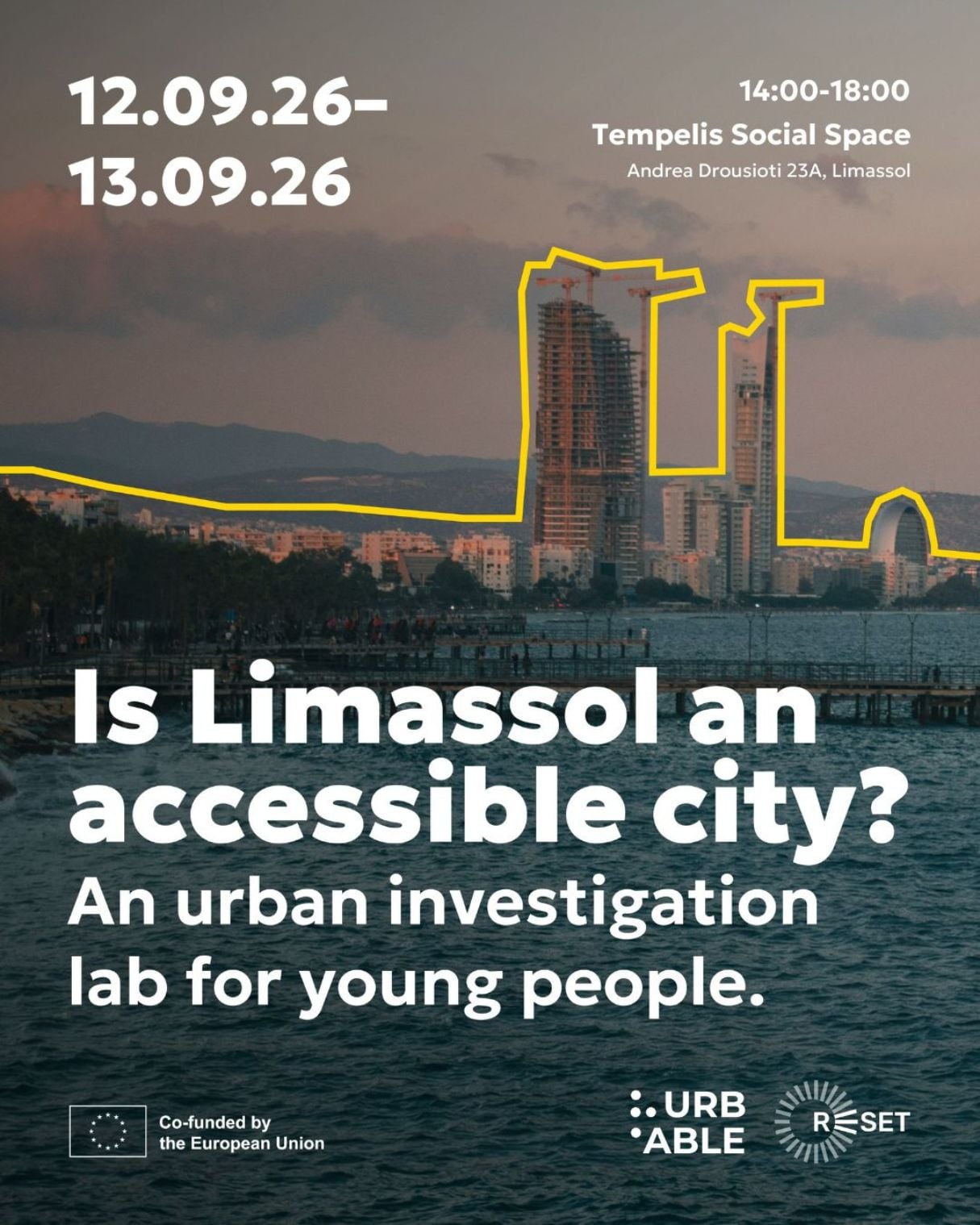
How can young people contribute to making our cities more accessible, inclusive and welcoming for everyone?
On 12–13 September 2026, the URB.ABLE project will host the Urban Investigation Lab, a free two-day, hands-on workshop in Limassol exploring accessibility, Universal Design and inclusive approaches to urban planning.
URB.ABLE is an Erasmus+ initiative that empowers young people and youth workers to take an active role in transforming their communities into more accessible and inclusive environments. Through practical learning and collaborative activities, the project encourages participants to look critically at the spaces around them and consider how everyday urban environments can better respond to different needs.
During the Urban Investigation Lab, participants will be introduced to the principles of Universal Design and inclusive urban planning in a session led by Marina Pasia, our researcher from the Society and Urban Form (SURF) Research Lab, Department of Architecture, University of Cyprus.
The workshop will then move beyond the classroom and into the city itself. Through barrier-mapping activities in Limassol’s old town, participants will investigate accessibility challenges directly within the urban environment, identifying physical and other barriers that can affect how people experience and use public spaces.
Building on these observations, participants will work together to develop ideas for civic action and explore how young people can play a meaningful role in shaping more inclusive public spaces. This part of the programme will be led by the AbleBook founders, bringing an additional practical perspective to the discussion around accessibility and community-led urban change.
The two-day format therefore combines learning, direct observation and collaborative thinking, giving participants the opportunity not only to discuss inclusive urban environments but also to examine accessibility challenges first-hand and consider possible responses.
📅 12–13 September 2026
🕑 14:00–18:00
📍 Social Space, Andrea Drousioti 23a, 3040 Limassol
🎟️ Participation is free
Participants who complete the workshop will receive a Europass Certificate.
Interested in participating?
🔗 Learn more about the Urban Investigation Lab: https://t.ly/oMCZN
📝 Register here: https://t.ly/fFpPM
- News
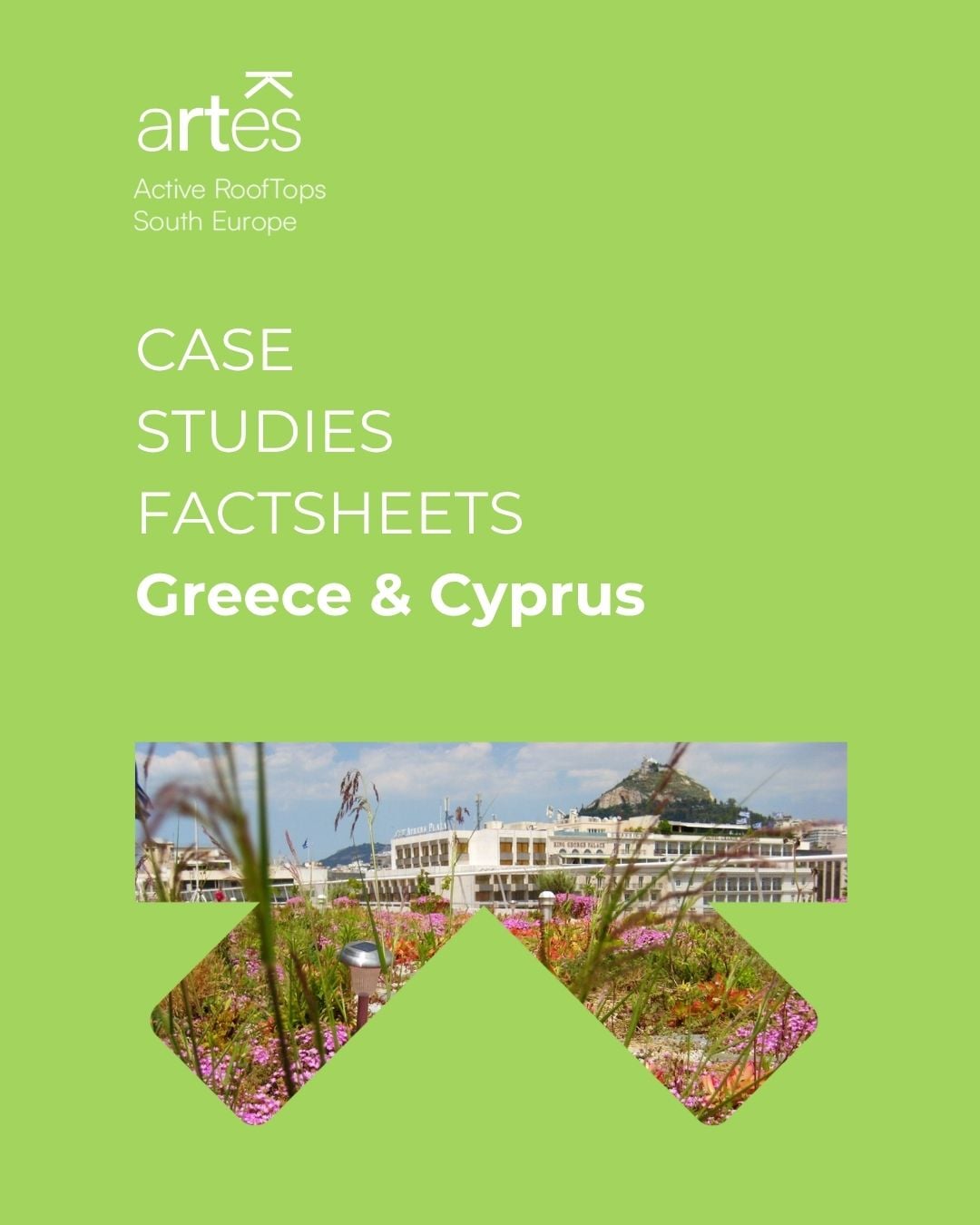
The Greece & Cyprus Case Studies Factsheets, prepared within the Active RoofTops South Europe (aRTes) project, showcase inspiring rooftop interventions from the Eastern Mediterranean, highlighting the significant potential of existing rooftops to support climate resilience and sustainable urban development.
The publication presents a selection of case studies including green roofs, school retrofits and hybrid rooftop systems that combine green infrastructure with renewable energy technologies. Together, these examples demonstrate practical approaches to improving thermal performance, biodiversity, stormwater management and the overall environmental performance of buildings.
The factsheets provide valuable knowledge for researchers, planners, architects and decision-makers seeking innovative rooftop solutions suitable for Mediterranean cities.
📄 Download the Greece & Cyprus Case Studies Factsheets
📖 Browse the interactive flipbook
Country research lead: Michalis Psaras
Authors: Marina Pasia, Ilaria Geddes, Michalis Psaras, Larissa Ribeiro Cunha, Raquel Guerra Aragonés, Riccardo Urbano and Veronika Antoniou.
🌐 Visit the aRTes website | Instagram | LinkedIn
- News
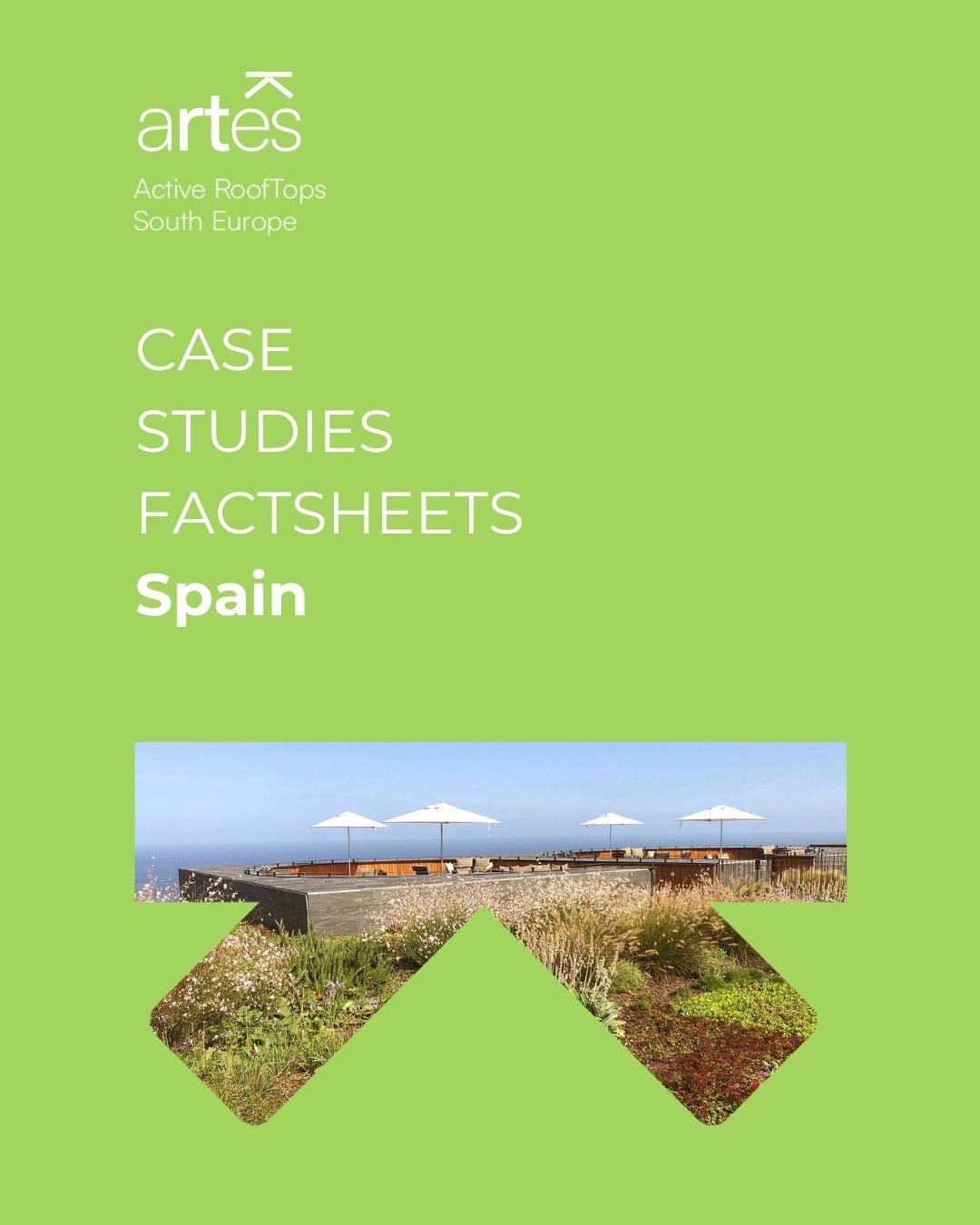
The Spain Case Studies Factsheets, developed within the Active RoofTops South Europe (aRTes) project, present a diverse collection of rooftop interventions demonstrating the potential of rooftops to support more sustainable, resilient and liveable cities.
Featuring examples such as green hotels, productive rooftop orchards, residential rooftop gardens and biodiversity-focused developments, the publication highlights practical approaches that integrate nature-based solutions into the built environment.
The case studies demonstrate how rooftops can simultaneously improve biodiversity, strengthen climate adaptation, enhance thermal performance and create attractive spaces for communities while contributing to more sustainable urban futures.
📄 Download the Spain Case Studies Factsheets
📖 Browse the interactive flipbook
Country research lead: Raquel Guerra Aragonés
Authors: Marina Pasia, Ilaria Geddes, Michalis Psaras, Larissa Ribeiro Cunha, Raquel Guerra Aragonés, Riccardo Urbano and Veronika Antoniou.
🌐 Visit the aRTes website | Instagram | LinkedIn
- News
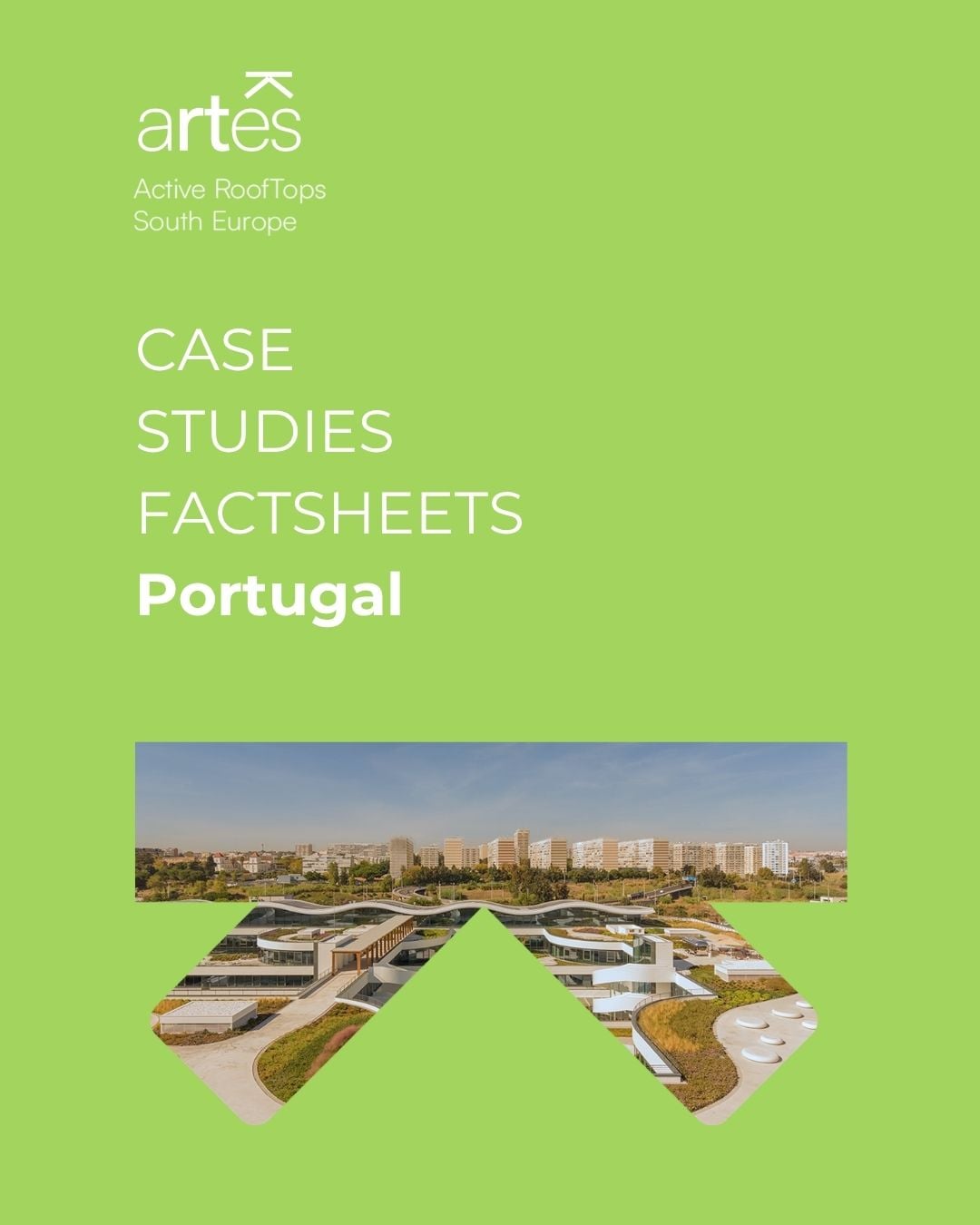
The Portugal Case Studies Factsheets present innovative examples of rooftop transformation developed within the Active RoofTops South Europe (aRTes) project demonstrates how rooftops can become multifunctional environments that combine green infrastructure, renewable energy, education and climate resilience.
The featured projects illustrate how accessible rooftops can function as green campuses, living laboratories and public learning environments while contributing to biodiversity enhancement, water management, thermal comfort and sustainable urban development.
The publication aims to support knowledge exchange by showcasing practical solutions that can inspire future rooftop interventions across Southern Europe and beyond.
📄 Download the Portugal Case Studies Factsheets
📖 Browse the interactive flipbook
Country research lead: Larissa Ribeiro Cunha
Authors: Marina Pasia, Ilaria Geddes, Michalis Psaras, Larissa Ribeiro Cunha, Raquel Guerra Aragonés, Riccardo Urbano and Veronika Antoniou.
🌐 Visit the aRTes website | Instagram | LinkedIn
- News
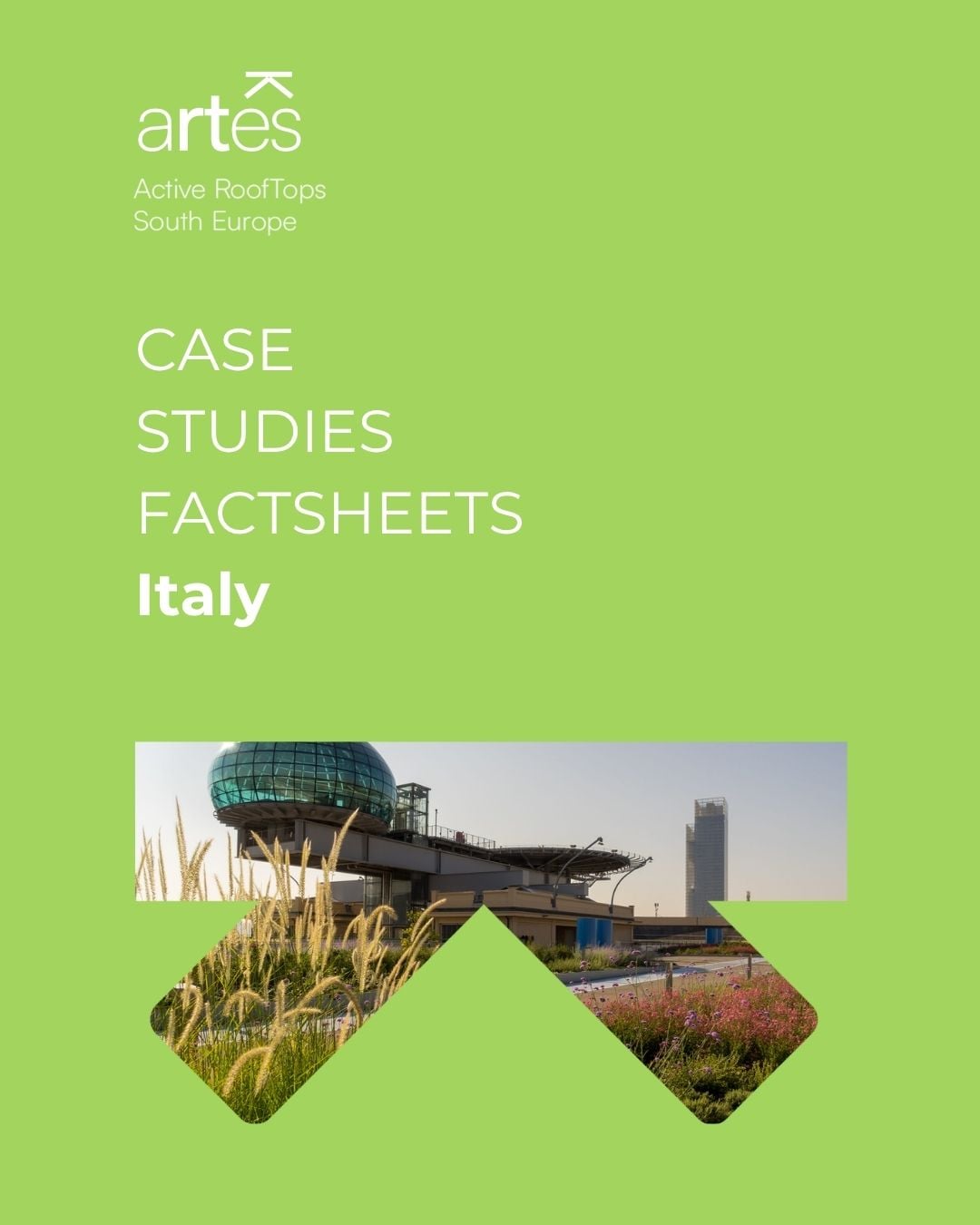
The Italy Case Studies Factsheets, developed within the Active RoofTops South Europe (aRTes) project, showcase inspiring examples of rooftop regeneration that combine biodiversity, recreation, cultural heritage and urban innovation.
From iconic industrial heritage sites transformed into biodiversity parks to green workplace environments and multifunctional public spaces, the publication highlights how rooftops can become valuable urban assets while improving environmental performance and quality of life.
The case studies illustrate practical approaches that integrate ecological functions with public space, landscape design and sustainable urban regeneration, providing transferable knowledge for future rooftop interventions across Southern Europe.
📄 Download the Italy Case Studies Factsheets
📖 Browse the interactive flipbook
Country research lead: Riccardo Urbano
Authors: Marina Pasia, Ilaria Geddes, Michalis Psaras, Larissa Ribeiro Cunha, Raquel Guerra Aragonés, Riccardo Urbano and Veronika Antoniou.
🌐 Visit the aRTes website | Instagram | LinkedIn
- News
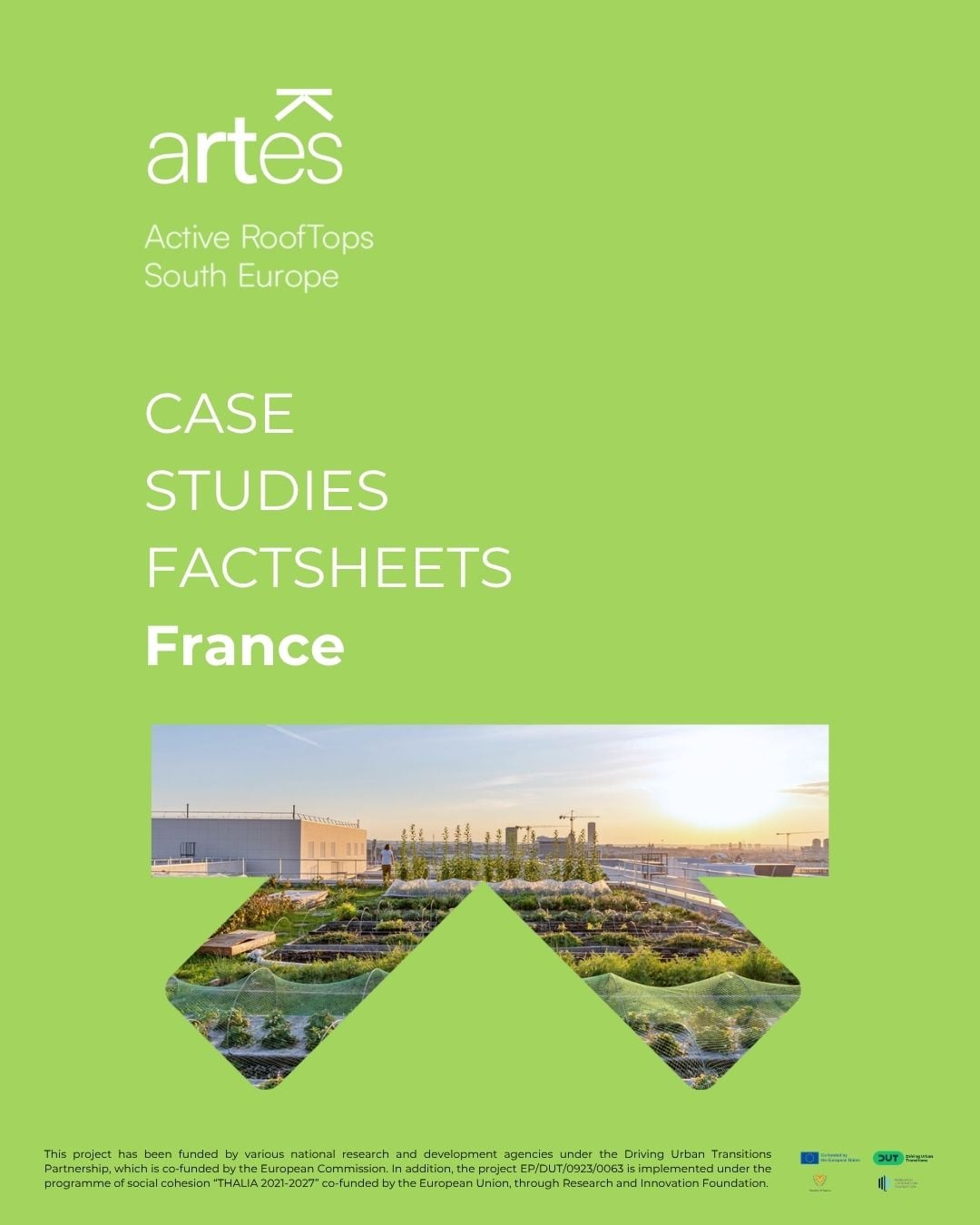
The Active RoofTops South Europe (aRTes) project has released the France Case Studies Factsheets, a publication presenting inspiring examples of rooftop transformation across France. The factsheets demonstrate how underutilised rooftops can evolve into productive, ecological and multifunctional urban spaces that contribute to more resilient and sustainable cities.
The featured case studies showcase a variety of rooftop interventions, including productive urban farms, vegetated heritage buildings and activated cultural rooftops. Together, these examples illustrate how rooftop regeneration can support urban agriculture, biodiversity enhancement, public space activation and climate adaptation while respecting the architectural identity of existing buildings.
By documenting successful projects from France, the publication provides valuable inspiration for architects, planners, researchers, policymakers and other stakeholders interested in innovative rooftop solutions and sustainable urban development.
📄 Download the France Case Studies Factsheets
📖 Browse the interactive flipbook
Country research lead: Veronika Antoniou
Authors: Marina Pasia, Ilaria Geddes, Michalis Psaras, Larissa Ribeiro Cunha, Raquel Guerra Aragonés, Riccardo Urbano and Veronika Antoniou.
🌐 Visit the aRTes website | Instagram | LinkedIn